

Michelin rated wineries in Bordeaux this past week and Burgundy got the same treatment back in July. I’m a little late to the discussion party but watching the Bordeaux drop resurfaced my thoughts on the topic. Nine properties received the top deisgnation of Three Grapes. Those included legendary properties like Domaine de la Romanée-Conti, Domaine Leroy, and Coche-Dury. Bordeaux also received its own nine, including Château Lafite Rothschild, Petrus, and Cheval Blanc. More regions are on the way.

This whole endeavor has raised more questions than opinions for me, the first and most obvious one is why. Why is Michelin doing this? Is it meant as some kind of badge of approval? Is it about helping people discover wineries they don’t already know? And what does any of this actually mean for the person who will only ever experience these estates through a bottle, poured somewhere the winery has no say in? Underneath all of this is a much more basic question: does the wine world need another rating system in the first place? We already have The Wine Advocate, Wine Spectator, Suckling, Burghound, Jeb Dunnick, and several others, all telling you what to think about a particular bottle. Michelin owns The Wine Advocate now too, so this isn’t even fully separate from what already exists.
This new system from Michelin does take a different path than those others however. Publications like Wine Advocate and Spectator rate specific wines in specific vintages while Michelin is rating the estate. They’re giving their take on the whole operation, across every wine made at the property, evaluated on five criteria. The work in the vineyard, technical mastery in the cellar, identity, balance, and consistency across vintages. That’s a much different kind of mission. The result is not “this bottle scored 96 points,” it’s “this producer, as an institution, is operating at the highest level, full stop.”
There’s a lot of this that I actually very much agree with. I’ve spent the better part of my sommelier/wine career telling people to search out great producers and just buy them every year, regardless of the points some magazine gave one of their wines in a particular vintage. Vintage variations are a feature, not a bug. I’m on board with the idea that talented people and great wineries are worth investing your drinking dollars into vs chasing points on individual bottles.
What gets me with this are a few things. First, what is the actual point of it? When Michelin announced the project, their International Director, Gwendal Poullennec, said the approach was meant to help people “discover new places and go off the beaten tracks with reassurance and trust.” That doesn’t hold up much when you have DRC and Château Lafite sitting at the top of the list. I don’t think anyone needs help determining that they’re some of the very top wineries in the world. This is not news. I also don’t think Petrus or Coche-Dury have any issues with people finding their wines.
Whatever their reasoning, it’s clear Michelin is publicly breaking from the Bordeaux Classification, a hierarchy the market has priced around for a hundred and seventy years, on day one of covering the region. Three of the five legendary First Growths, Margaux, Mouton Rothschild, and Haut-Brion, only received two grapes. Château Latour, one of the original five first growths, isn’t on the list at all, not even in the lower Selected tier.
Burgundy raised questions back in July when Domaine Arnoux-Lachaux received a one-grape rating and publicly asked to be removed from the guide, saying they hadn’t submitted a single wine for press or review since 2020 and had no idea how their placement was determined. Michelin has said its winery evaluations are collaborative and non-anonymous, built on direct engagement with each estate, unlike the anonymous model it uses for restaurants. That’s hard to square with a producer saying it hadn’t had any contact with Michelin in five years. If an estate can end up rated without knowing they were even part of the process, that’s worth digging into. Was there a rigorous, current tasting behind that grade, or something closer to a handful of people in a room making a call on reputation alone? That questions how credible any of this actually is.
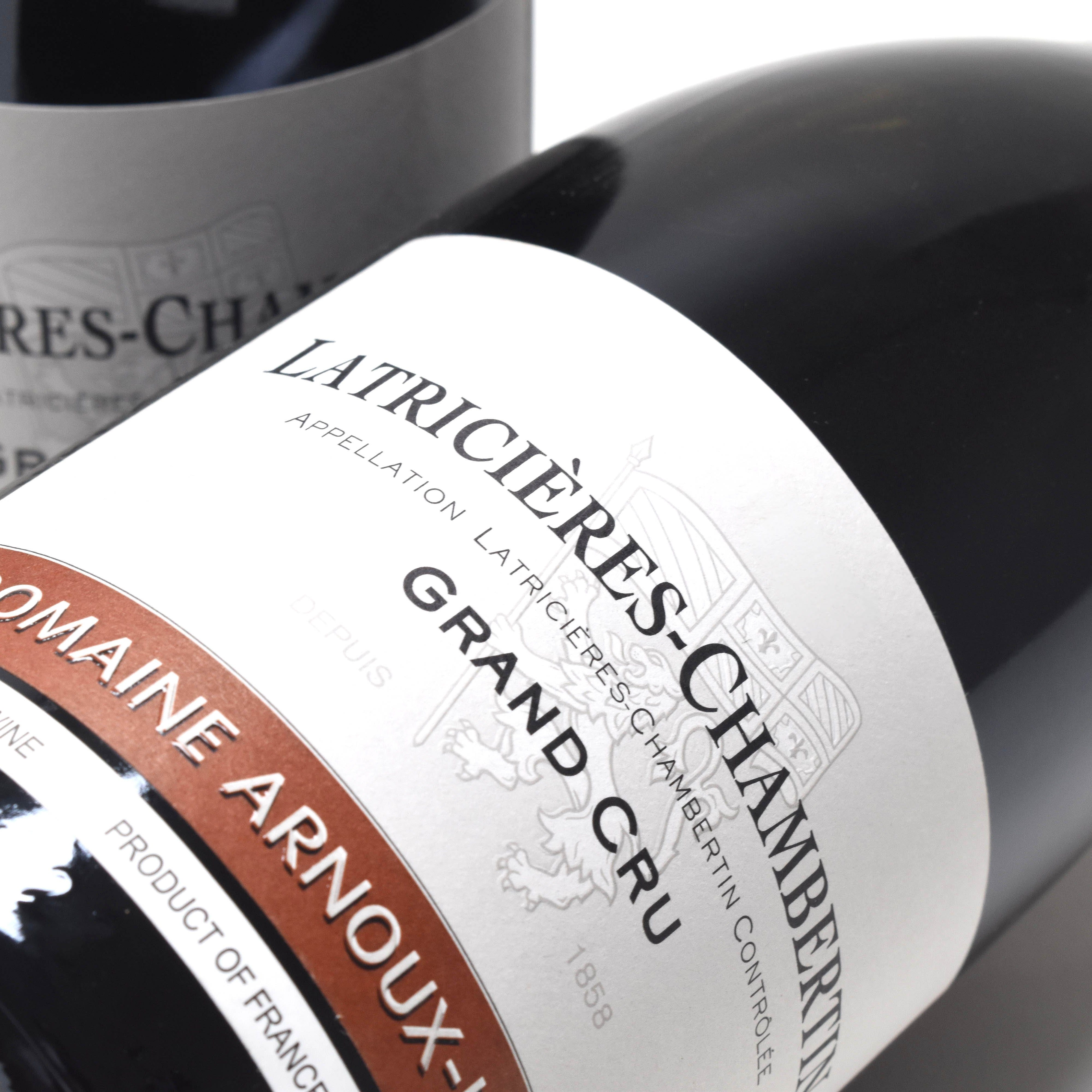
Here’s where I’ve personally landed with all this. DRC and friends aren’t on the list because they needs the rating. Michelin needs DRC, Petrus, Lafite, and others for credibility. A brand new system has zero on day one, so the fastest way to buy some is to put the most undisputed names at the top of your first releases, so nobody can dismiss the whole mission out of hand. Once you’ve done that, the borrowed trust can do the rest, which is elevating names most people haven’t heard of into the same conversation.
Their International Director said this when the Burgundy list came out: the goal was to “evaluate wineries rather than simply reward famous vineyards,” because “excellence is not defined solely by the prestige of a name.” A fine goal for sure, but if your first move to prove that is leading with the nine names everyone on earth already agrees are excellent, the mission and your opening move are in conflict. It’s clearly early strategy, which is fine.
My second issue with all this, and I think it might be the bigger one, comes down to what people actually experience when they interact with one of these wineries.
A Michelin star in a restaurant means something because the thing being rated is the thing you can buy. You can make a reservation, sit down, and you get the same experience, in theory, as the inspector did when they came. The rating and the product are the same object.
These winery rating don’t work that way. What Michelin says they’re evaluating is the full picture of the property: the vineyard, the cellar, the range, consistency. To do this well, they’d likely have to visit the property, tour the vineyards and the winery, and sit across the table from the person who makes the wines to understand it all firsthand. What most everyday consumers will actually experience is a bottle, and often not even the estate’s best bottle. And for the top names on this list, the fuller experience Michelin points to isn’t something you can buy at any price. Most of these estates aren’t doing public tastings, DRC isn’t walking casual drinkers through the barrel room. The thing being rated and the thing you can access are just not the same object, and for the most famous names on the list, they’re not even close.
That even that understates it a bit. Say you get your hands on a benchmark bottle from a winery Michelin is describing. What you experience from it still depends heavily on where you are, who you’re with, and that bottle’s journey before it made its way to you. A wine with a great meal, in the right place, with the right people, can elevate it to be one of the best wine experiences of your life. Opened in a different setting, or shipped carelessly, or held too long in the wrong conditions, it can feel like nothing at all. A restaurant controls its own room from start to finish: the lighting, the pacing, the service, all of it. A winery controls none of that once the bottle leaves the cellar. It might end up as part of a tasting menu at a Michelin-rated restaurant, or maybe on the list at a tavern somewhere. It could pulled from someone’s fridge for and poured into Dixie cups. The winemaker, the estate, did their part, but everything that actually decides whether you have a great experience with their wine happens somewhere they’ll never see.
So if it’s not really about helping people choose a bottle, and the full experience being described mostly isn’t for sale, and even the bottle itself is at the mercy of wherever it ends up, what is the rating actually doing?
None of this is a knock on Michelin as an institution by the way. I’ve spent my career in restaurants that live and die by these ratings, and I know firsthand how coveted and respected they are. Chefs and teams pour years into earning that kind of recognition, and when it comes, it means something real. What I’m pushing on here is one specific extension of that system, because I don’t think it works the same way for these wineries as it does with restaurants.
Clearly this system is also not built for people like me. Somms, buyers, collectors, anyone who’s spent real time with these bottles already knows who’s good. The “discovery” angle falls flat for that audience because there’s hardly anything to discover. To be clear, that’s not a knock on the wineries, none of them asked for this or built their reputation around it. It’s more of a comment on who Michelin built the system for.
There’s a much bigger audience that trusts the Michelin name across categories without necessarily having deep expertise in any single one of them. People who book the hotel because of the Key rating, eat at the restaurant because of the star, and now want the wine version of the same shortcut. For that person, a name like Hubert Lamy may be genuinely new information, even though it’s been common knowledge on serious wine lists in America for well over a decade.
What this is doing is not really rating wineries, it’s transferring trust. Michelin spent over a century building a brand people believe without question in one category, and now they’re stretching that same brand into a new one. The famous names anchor the credibility and the rest of the list does the job of extending it.
Whether it lands as real recognition on the other end is a separate question, and that carries real power. When Lalou Bize-Leroy, who runs Domaine Leroy, one of the nine estates given the top distinction, was asked about it, she said, “I am amazed, I do not merit this. There is still so much to accomplish.” That’s about as far from a marketing quote as you can get and emblematic of someone who sees real honor in this. So maybe the credibility for the wineries is real, even if the mechanics behind it are mostly about Michelin.
I don’t think this makes the exercise worthless. Some genuinely excellent, less famous producers are going to get real attention because of these accolades, and that’s a good thing for the people who work hard and don’t have a household name attached to their bottles. But I don’t think this is really a wine story. To me, this reads more as a brand story that happens to be about wine, wrapped around an honor that at least some of the people receiving it seem to take very seriously. Once you hold both of those at once, the whole thing makes a lot more sense.
Curious what everyone else thinks.
For Paid Subscribers
Wines from the same regions that I’m always thrilled to see on a list.